


Toshiba Corporation has announced the development of an innovative low power control technology for microcontrollers supporting multi-sensor wearable devices. Applied to an activity monitoring application using the company’s TZ1001MBG microcontroller(MCU), the new control technology achieved a 31% reduction in power consumption. The development will be announced at COOL Chips XVIII in Yokohama, Japan, on April 15, 2015.

The goal for battery-operated wearable devices is a long run time without charging, with a physically small battery. This requires power-saving technologies. MCU embedded in wearable devices typically support several low power modes that is the devises is idle automatically. But the transition from low power mode to active mode requires some power consumption. This requires wearable devices to reduce the frequency of mode transition. However, the number of sensors embedded in wearable devices is increasing, requiring the microcontroller to respond to sensors more frequently, with a mode transition every time it does.
Toshiba’s technology reduces the frequency of the mode transition by gathering the separate data acquisitions from multiple sensors which get data at their own regular intervals. In this way, the number of mode transitions can be decreased, hence the reduction of power consumption from mode transitions is achieved. On the other hand, if aggregating leads to significant failures in data acquisitions, it will have a considerably negative impact of the functions of the application, such as step measurement or behavior analysis in activity monitors. Toshiba has developed an aggregating method that optimizing timing of data acquisition to suppress failures.
To evaluate the method, Toshiba ran an activity monitoring application on TZ1001MBG. The result showed a 31% power reduction, proving efficient power saving technology. Toshiba has now embedded this technology into TZ1000 series MCU.
Toshiba will continue to research this technology toward achieving practical applications in a few years and providing an ultra-low power platform for wearable devices.
www.icnweb.co.kr
Toshiba Develops Low Power Control Technology for Wearable Devices with Multiple Sensors


뉴스레터 구독하기
아이씨엔매거진은 AIoT, IIoT 및 피지컬 AI, 디지털트윈을 통한 제조업 디지털전환 애널리틱스를 제공합니다.
테크리포트: 자율제조, 전력전자, 모빌리티, 로보틱스, 스마트농업








![[칼럼] IT/OT 융합 환경의 사이버 복원력 확보를 위한 OT 보안 아키텍처 및 AI 위협 탐지 기술 분석](https://icnweb.kr/wp-content/uploads/2023/02/rockwell-automation-mobileAna_900.jpg "[칼럼] IT/OT 융합 환경의 사이버 복원력 확보를 위한 OT 보안 아키텍처 및 AI 위협 탐지 기술 분석")









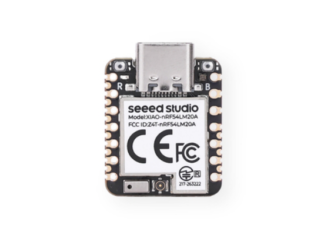
시드 스튜디오, 노르딕 nRF54LM20A 기반 차세대 IoT 개발 보드 출시
시드 스튜디오가 노르딕의 고성능 무선 칩과 전력관리 칩을 탑재한 손가락 마디 크기의 초소형 무선 개발 보드를 출시하여, 배터리로 작동하는 다양한 스마트 기기와 센서를 쉽게 개발할 수 있도록 지원한다.

![[이슈] 스마트 공장 통신 표준 완성… IEC/IEEE 60802 TSN 통합 표준 발표](https://icnweb.kr/wp-content/uploads/2026/09/TSN_60802_standard_AI-900web.jpg "[이슈] 스마트 공장 통신 표준 완성… IEC/IEEE 60802 TSN 통합 표준 발표")



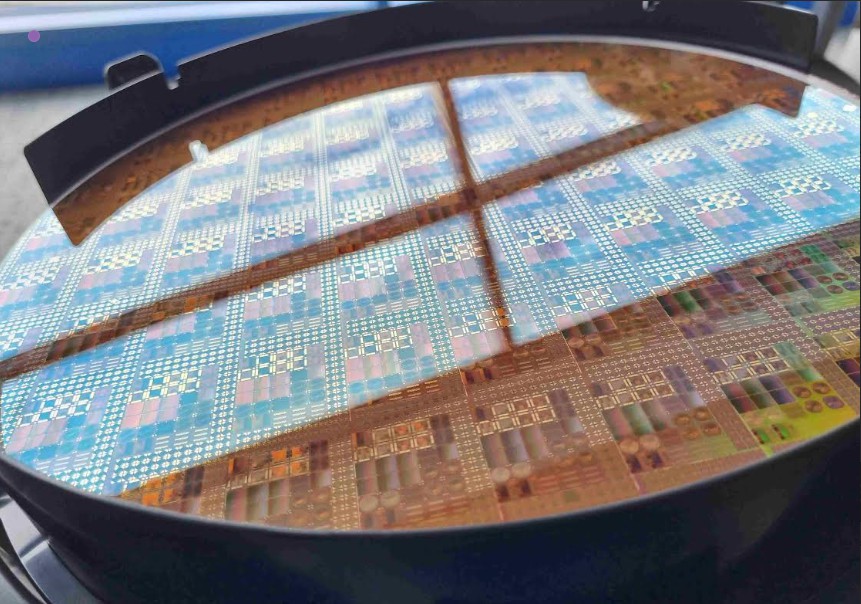

엔비디아, 메가와트당 토큰 생산성 극대화로 AI 데이터센터 투자수익률(ROI) 가속화
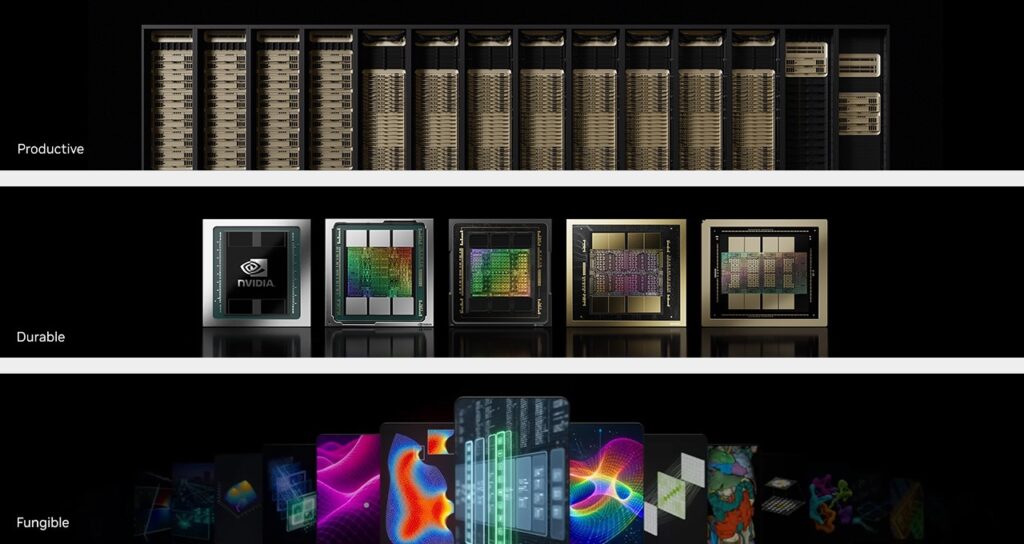
엔비디아는 AI 데이터센터(AI 팩토리)의 높은 구축 비용을 극대화된 투자수익률로 상쇄할 수 있는 AI 플랫폼의 강점을 공개했다. 엔비디아는 전력당 토큰 생산량을 늘려 비용을 대폭 줄이고, 꾸준한 소프트웨어 업데이트를 통해 오래된 장비도 수년 동안 계속해서 고성능으로 활용할 수 있는 환경을 제공한다
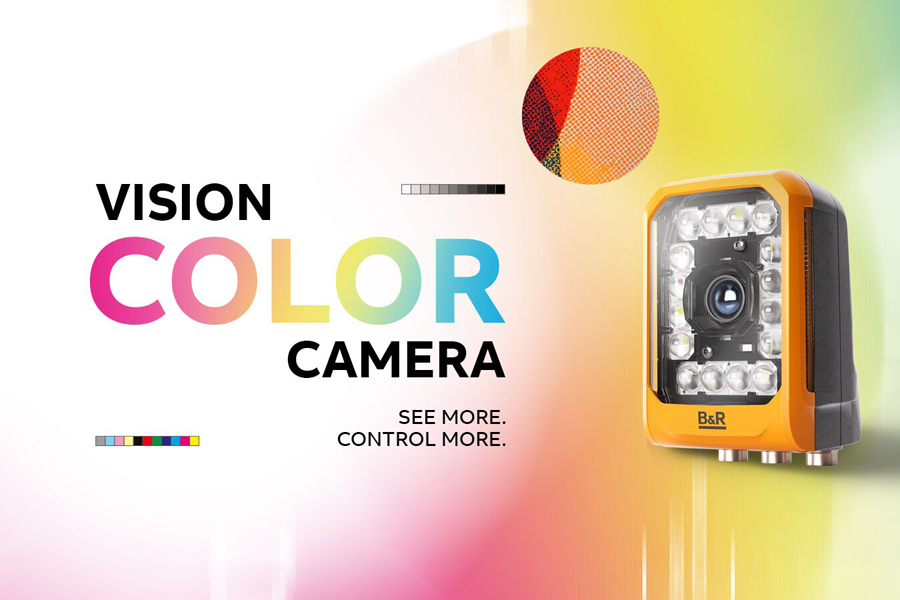
인라인 비전으로 인쇄 불량 원천 차단… B&R, 초고속 색상 감지 카메라...
B&R이 분당 500m의 초고속 인쇄 라인에서도 색상 마크를 정확히 감지해 원자재 폐기량을 원천 차단하는 고성능 컬러 비전 카메라는 출시했다
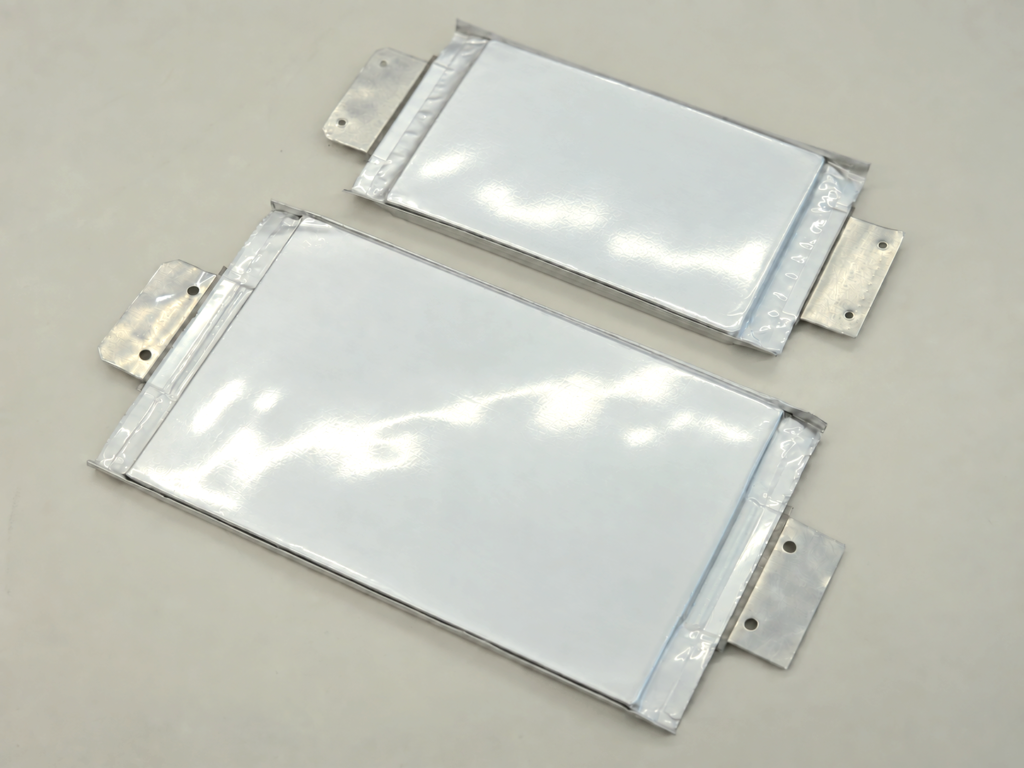
10분 급속 충전에 2만 번 재사용… 공장 로봇·지하 전력망 삼킨 차세대...
이차전지 기업 그리너지가 10분 급속 충전과 뛰어난 안전성을 갖춘 LTO 배터리를 공장 물류 로봇과 한국전력 지하 전력 인프라에 본격 공급하며 산업 현장 적용을 확대하고 있다.
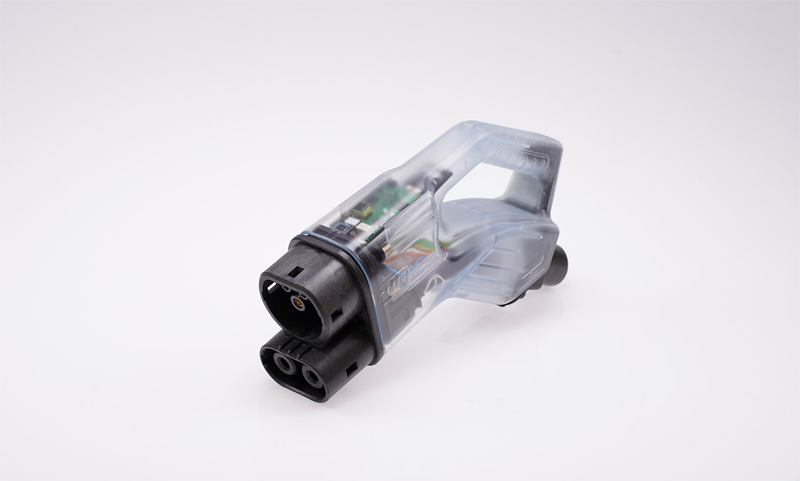
벡터, 충전 케이블 한계 100m로 늘린 DC 통신 컨트롤러 ‘vSECC.InPlug’ 공개
벡터가 DC 충전 커넥터 내부에 통신 모듈을 탑재하여 충전기 케이블 길이를 100m까지 늘려주는 'vSECC.InPlug'와 버스 차고지 통합 관리 시스템 'vCharM.DMS'를 발표했다.

ABB, AI 데이터센터용 통합 직류 솔루션 ‘인피니투스’ 출시
ABB가 급증하는 AI 데이터센터 전력 수요에 대응하기 위해 전력 공급원에서 랙까지 연결되는 최초의 통합 직류(DC) 솔루션 ‘인피니투스’를 출시하고 800V DC 고효율 전력망 구축에 나섰다.
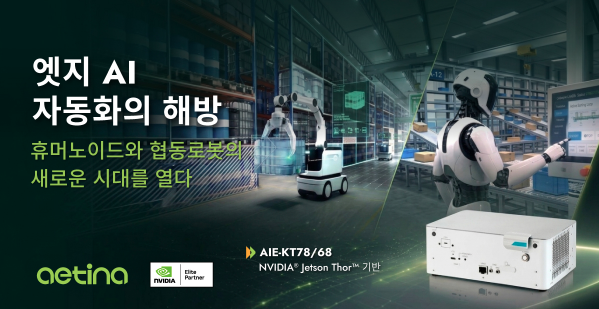
에티나, 엔비디아 젯슨 토르 기반 플래그십 에지 AI 시스템 ‘AIE-KT78·AIE-KT68’ 출시
에지 AI 전문 기업 에티나가 엔비디아의 최신 차세대 인공지능 칩을 탑재해 협동로봇과 휴머노이드 로봇이 주변 환경을 스스로 인식하고 즉각 움직일 수 있도록 돕는 초고성능 로봇용 제어 반도체 시스템을 선보였다.
- Our Youtube Channel -