


Until now, the development of standards guiding gas fuel transfer operations in ports has lagged behind, as the maritime industry focussed on developing standards for gas fuelled ships rather than bunkering arrangements. This notation addresses safety concerns in this field and covers gas bunker vessels design and additional requirements to support the development of gas fuelled shipping and bunker operations in ports. The rules are flexible and include a variety of gas fuels as well as the configuration of bunker transfer systems.
Many port authorities still deem ship-to-ship bunker operations as being too risky and oppose efforts to increase the availability of gas fuels in ports. “Complying with DNV GL’s new class notation increases the acceptance of safe gas fuel bunkering operations by ports and local authorities and puts bunker ship owners in a stronger position in the market,” explains Yury Ilchenko, Principal Engineer at DNV GL.
In places with limited infrastructure and with demands for short turn-over times in ports, flexible ship-to-ship bunkering transfer operation is an efficient solution. DNV GL’s new class notation outlines requirements for liquefied gas carriers and barges that are equipped for carrying liquefied gas and supplying it to gas fuelled ships on a regular basis. “The class notation covers safety issues on the gas bunker vessel, its gas bunker related equipment and installations on board. It outlines requirements for design, construction and operational procedures with regard to connection and disconnection of transfer arrangements, bunker transfer and vapour return,” explains Ilchenko.
Tougher limits on the sulphur content of marine fuels (0.1 per cent) in Emissions Control Areas (ECAs), which entered into force in January 2015, have increased the demand for port infrastructure dedicated to bunkering alternative fuels such as liquefied natural gas (LNG). From 2020 onwards, vessels sailing in all European waters will need to comply with a 0.5 per cent sulphur cap. In addition, the International Maritime Organization’s global sulphur limit of 0.5 per cent is expected to come into force in 2020 or 2025, depending on the outcome of a review as to the availability of the required fuel oil.
DNV GL has also developed a GAS READY notation for owners looking to prepare their vessel for a potential conversion to LNG operation at the newbuilding stage. The notation helps owners ensure that their vessels are verifiably in compliance with all safety and operational requirements to meet the applicable global as well as class standards for gas fuelled operations. It also supports owners in specifying and quantifying the level of investment they need to make.
The class notation can be downloaded on our website http://exchange.dnv.com/servicedocuments/dnv, Rules for Classification/Part 6/ Ch 37.
DNV GL releases new class notation for gas bunkering operation from ship to ship


뉴스레터 구독하기
아이씨엔매거진은 AIoT, IIoT 및 피지컬 AI, 디지털트윈을 통한 제조업 디지털전환 애널리틱스를 제공합니다.
테크리포트: 자율제조, 전력전자, 모빌리티, 로보틱스, 스마트농업







![[칼럼] IT/OT 융합 환경의 사이버 복원력 확보를 위한 OT 보안 아키텍처 및 AI 위협 탐지 기술 분석](https://icnweb.kr/wp-content/uploads/2023/02/rockwell-automation-mobileAna_900.jpg "[칼럼] IT/OT 융합 환경의 사이버 복원력 확보를 위한 OT 보안 아키텍처 및 AI 위협 탐지 기술 분석")








시드 스튜디오, 노르딕 nRF54LM20A 기반 차세대 IoT 개발 보드 출시
시드 스튜디오가 노르딕의 고성능 무선 칩과 전력관리 칩을 탑재한 손가락 마디 크기의 초소형 무선 개발 보드를 출시하여, 배터리로 작동하는 다양한 스마트 기기와 센서를 쉽게 개발할 수 있도록 지원한다.

![[이슈] 스마트 공장 통신 표준 완성… IEC/IEEE 60802 TSN 통합 표준 발표](https://icnweb.kr/wp-content/uploads/2026/09/TSN_60802_standard_AI-900web.jpg "[이슈] 스마트 공장 통신 표준 완성… IEC/IEEE 60802 TSN 통합 표준 발표")




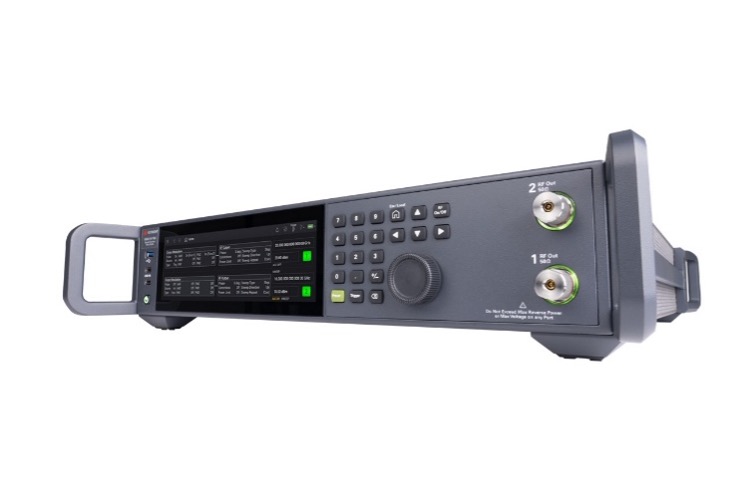
키사이트, 2U 섀시 듀얼 채널 아날로그 신호 발생기 ‘PSG XG7’ 출시…...
키사이트가 소형 섀시 하나에 독립된 두 개의 고주파 신호 발생 채널을 담아 설치 공간을 아끼고 정밀도를 높인 신형 신호 발생기를 출시한다.
마우저, 알레그로 절연형 SiC 게이트 드라이버 ‘AHV850xx’ 칩셋 공급… 차세대 전력...
마우저가 보조 전원 부품 없이도 차세대 전기차와 데이터센터의 전력 반도체를 효율적이고 안전하게 제어할 수 있는 알레그로의 절연형 게이트 드라이버 칩셋을 공급한다.
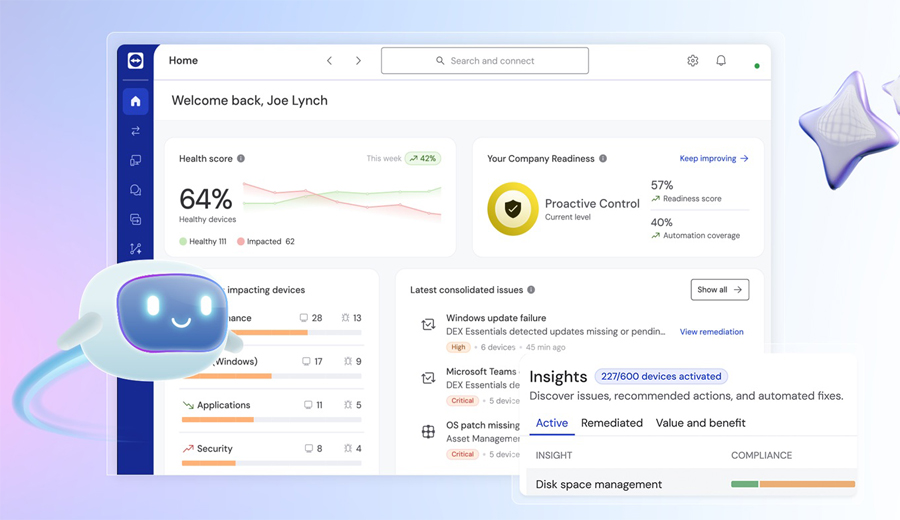
팀뷰어, ‘팀뷰어 원’ 엔드포인트 자동화 기능 강화… 자율형 IT 관리 가속
팀뷰어가 반복되는 컴퓨터 및 스마트 기기 장애를 스스로 복구하는 자동화 기능과 한 화면에서 장비를 통합 관리할 수 있는 제어 센터를 팀뷰어 원에 추가해 IT 업무 효율을 높인다.
인피니언, 차세대 AI 서버 전력 아키텍처 지원하는 27kW 3상 PSU 솔루션...
인피니언이 AI 데이터센터의 고전력·고효율 요구에 맞춰 글로벌 표준 규격을 충족하고 에너지 손실을 최소화한 27kW급 차세대 서버용 전원공급장치 솔루션을 출시한다.
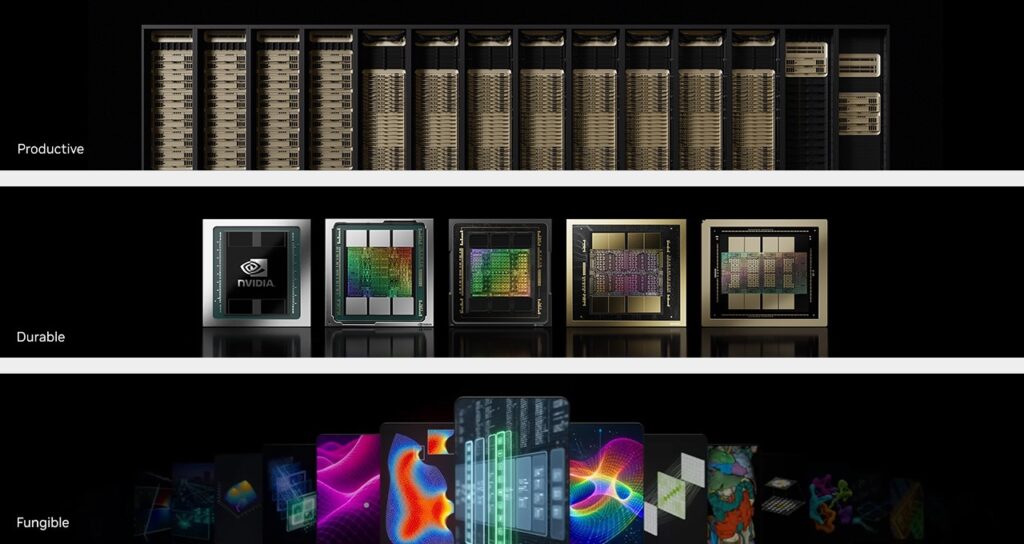
엔비디아, 메가와트당 토큰 생산성 극대화로 AI 데이터센터 투자수익률(ROI) 가속화
엔비디아는 AI 데이터센터(AI 팩토리)의 높은 구축 비용을 극대화된 투자수익률로 상쇄할 수 있는 AI 플랫폼의 강점을 공개했다. 엔비디아는 전력당 토큰 생산량을 늘려 비용을 대폭 줄이고, 꾸준한 소프트웨어 업데이트를 통해 오래된 장비도 수년 동안 계속해서 고성능으로 활용할 수 있는 환경을 제공한다

인라인 비전으로 인쇄 불량 원천 차단… B&R, 초고속 색상 감지 카메라...
B&R이 분당 500m의 초고속 인쇄 라인에서도 색상 마크를 정확히 감지해 원자재 폐기량을 원천 차단하는 고성능 컬러 비전 카메라는 출시했다
- Our Youtube Channel -